Beyond the Screen Convening Insights (2025)
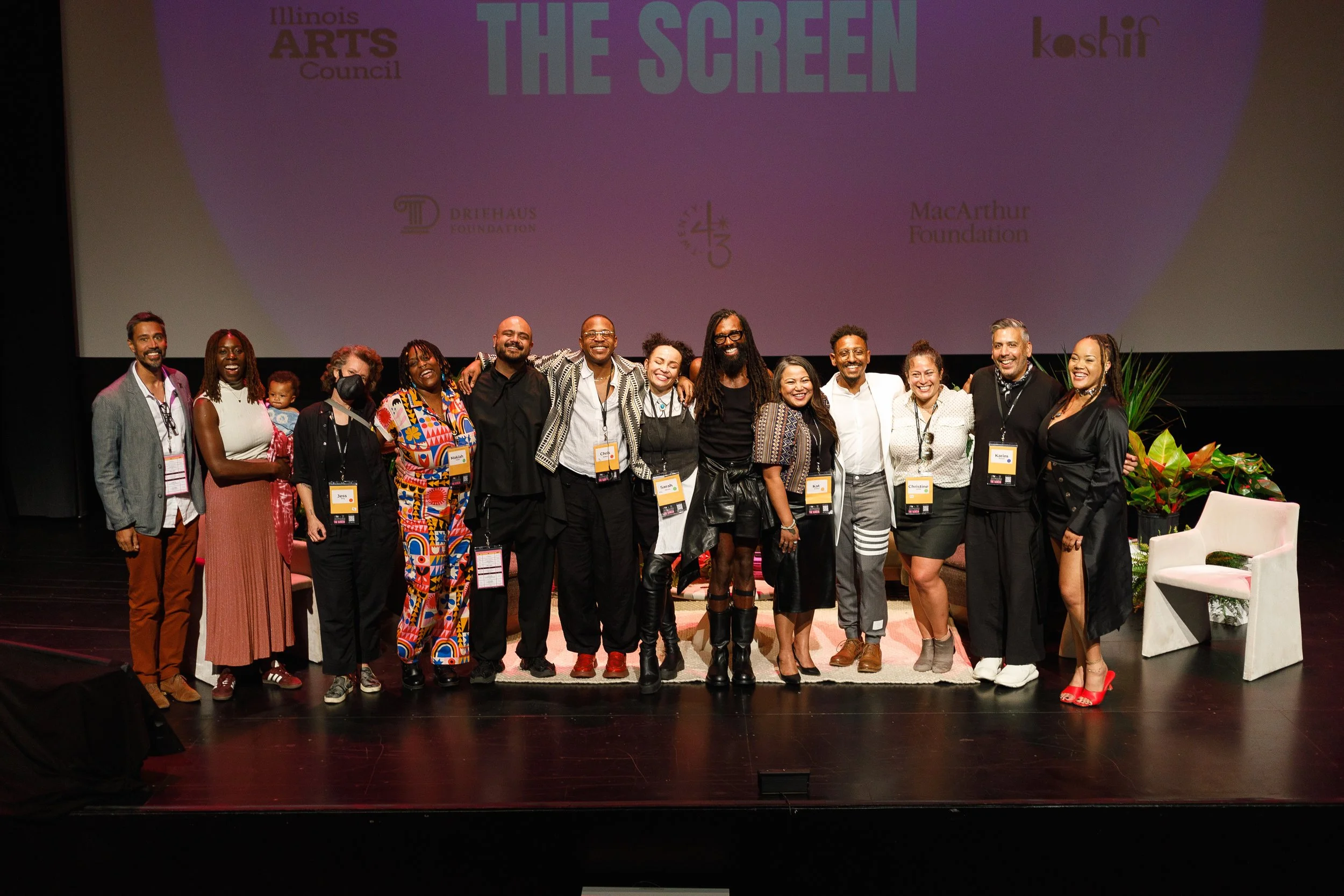
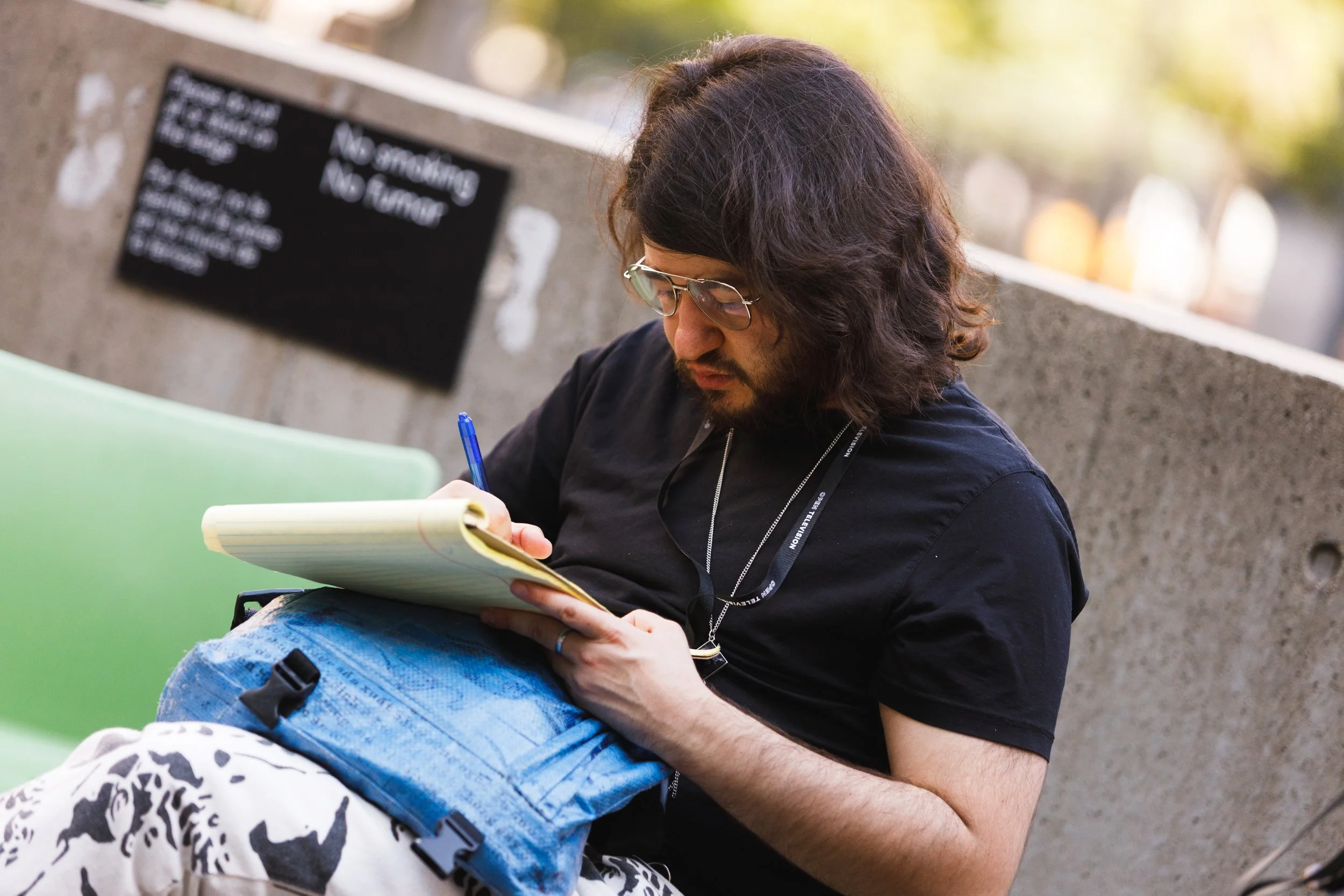
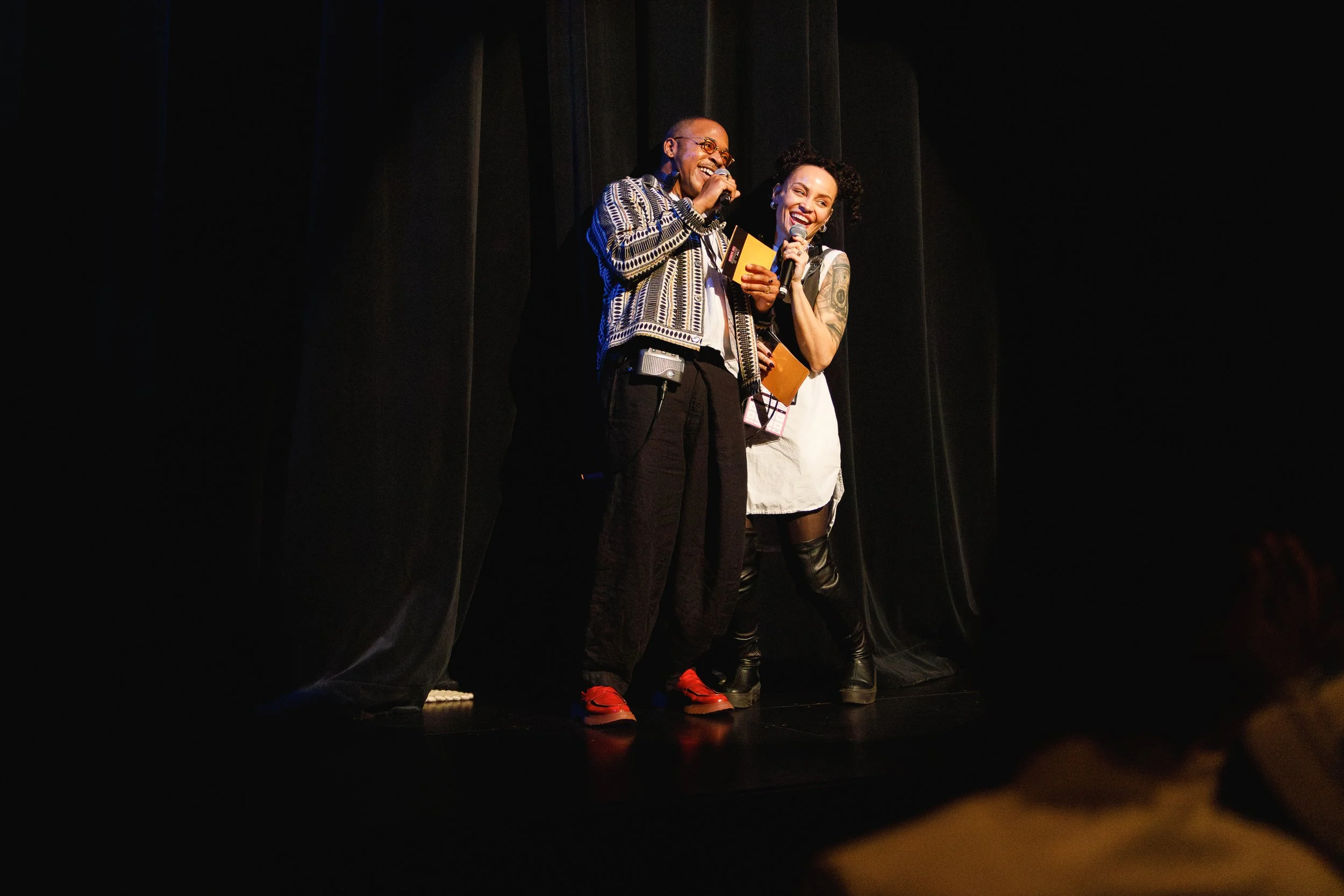
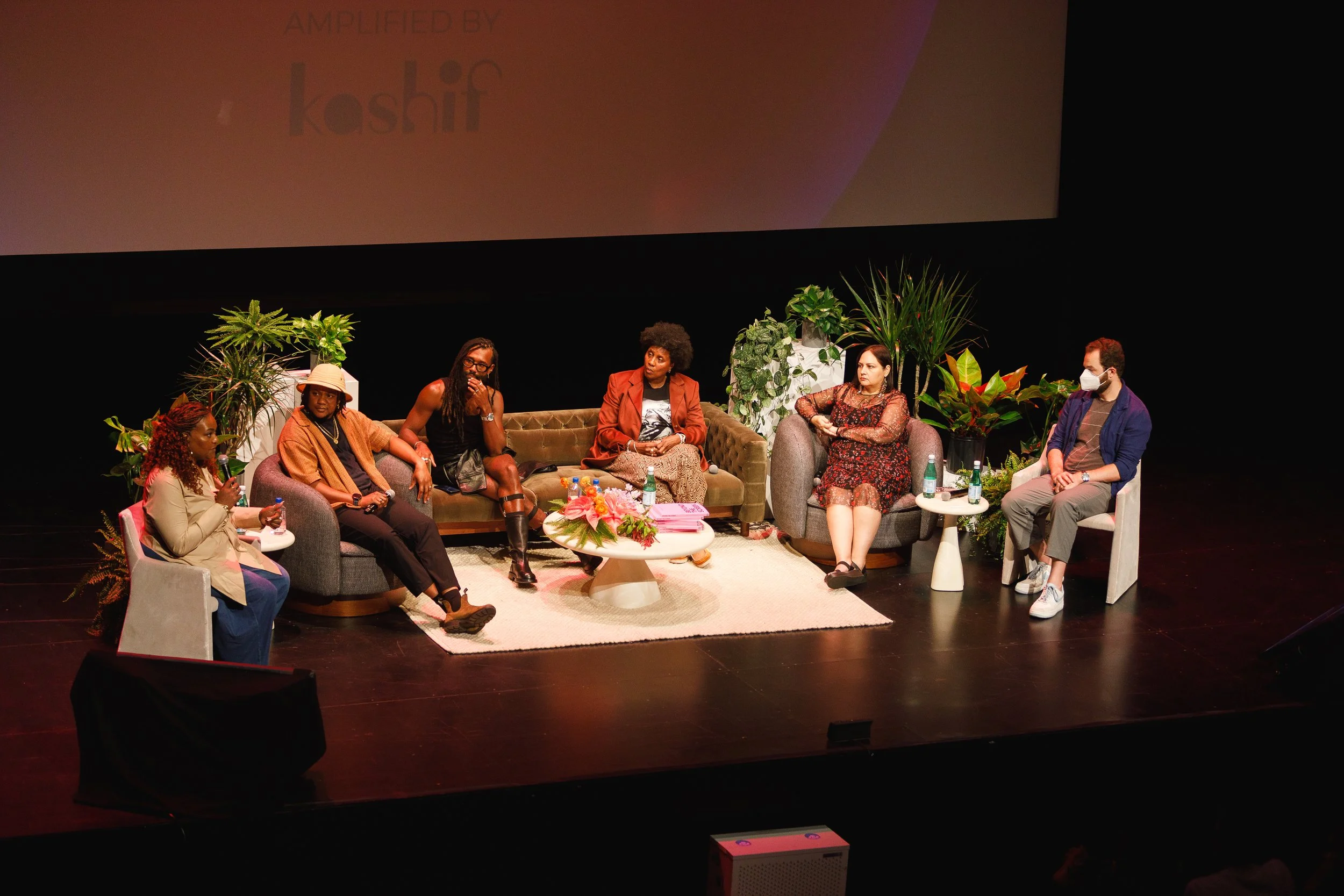
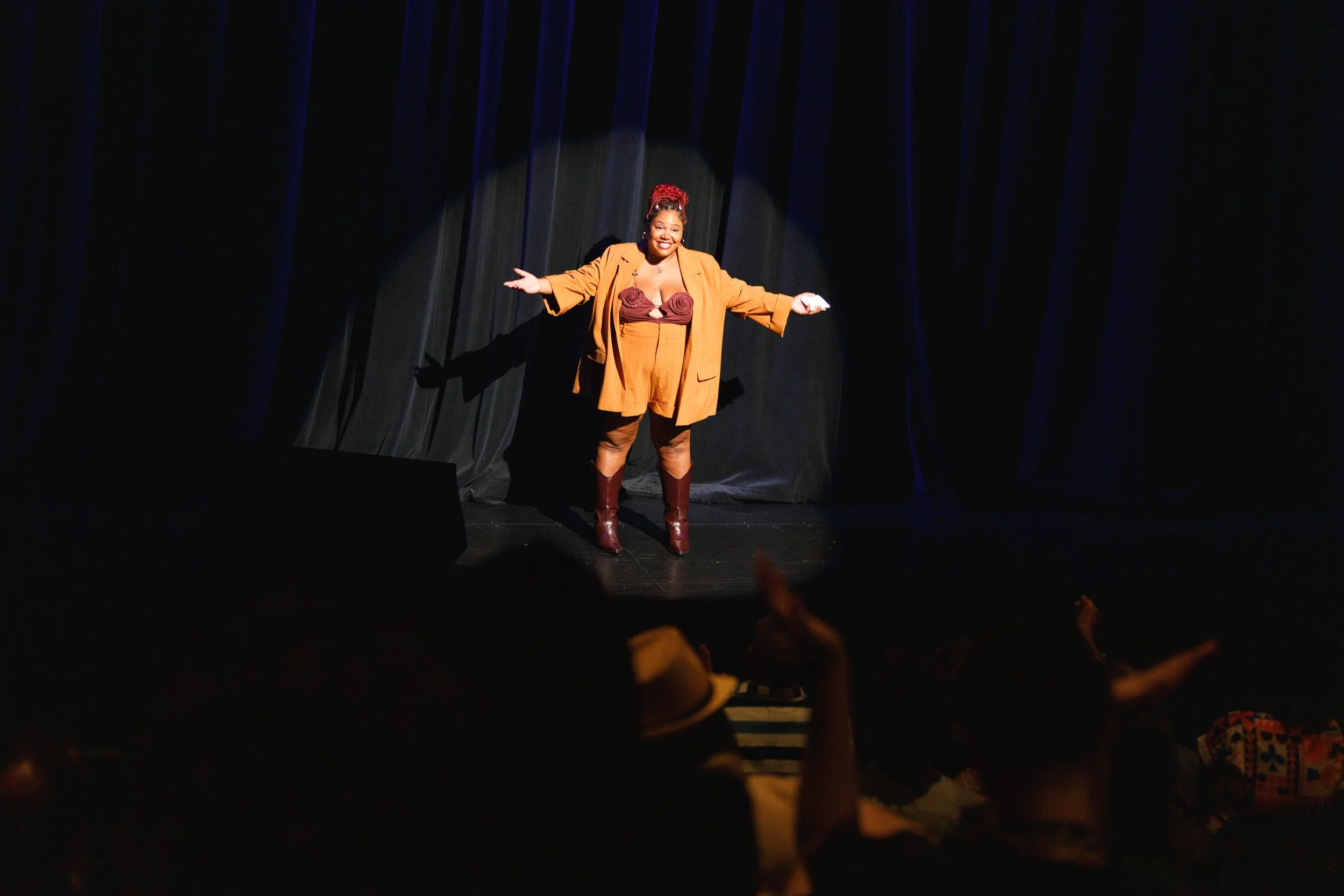
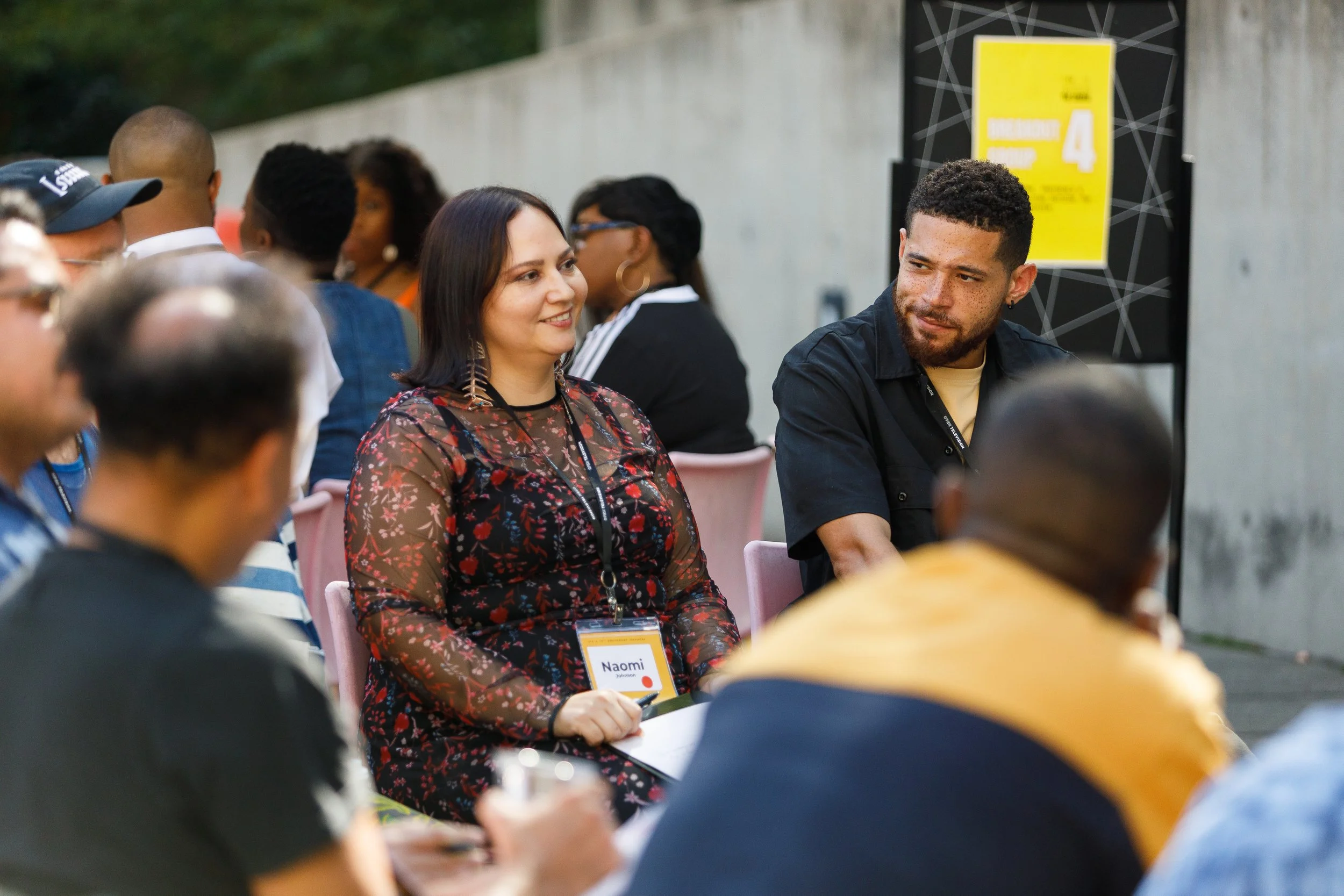
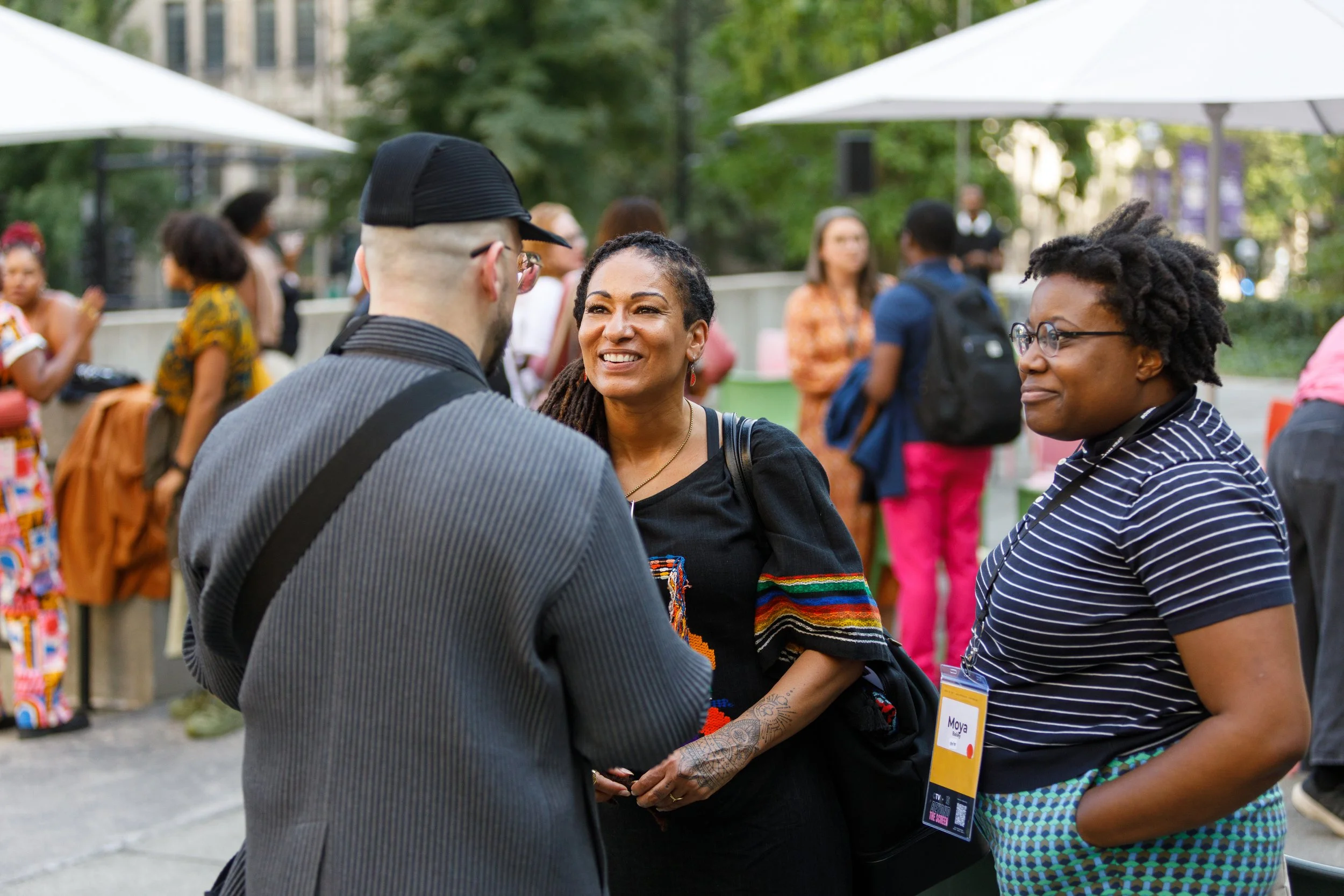
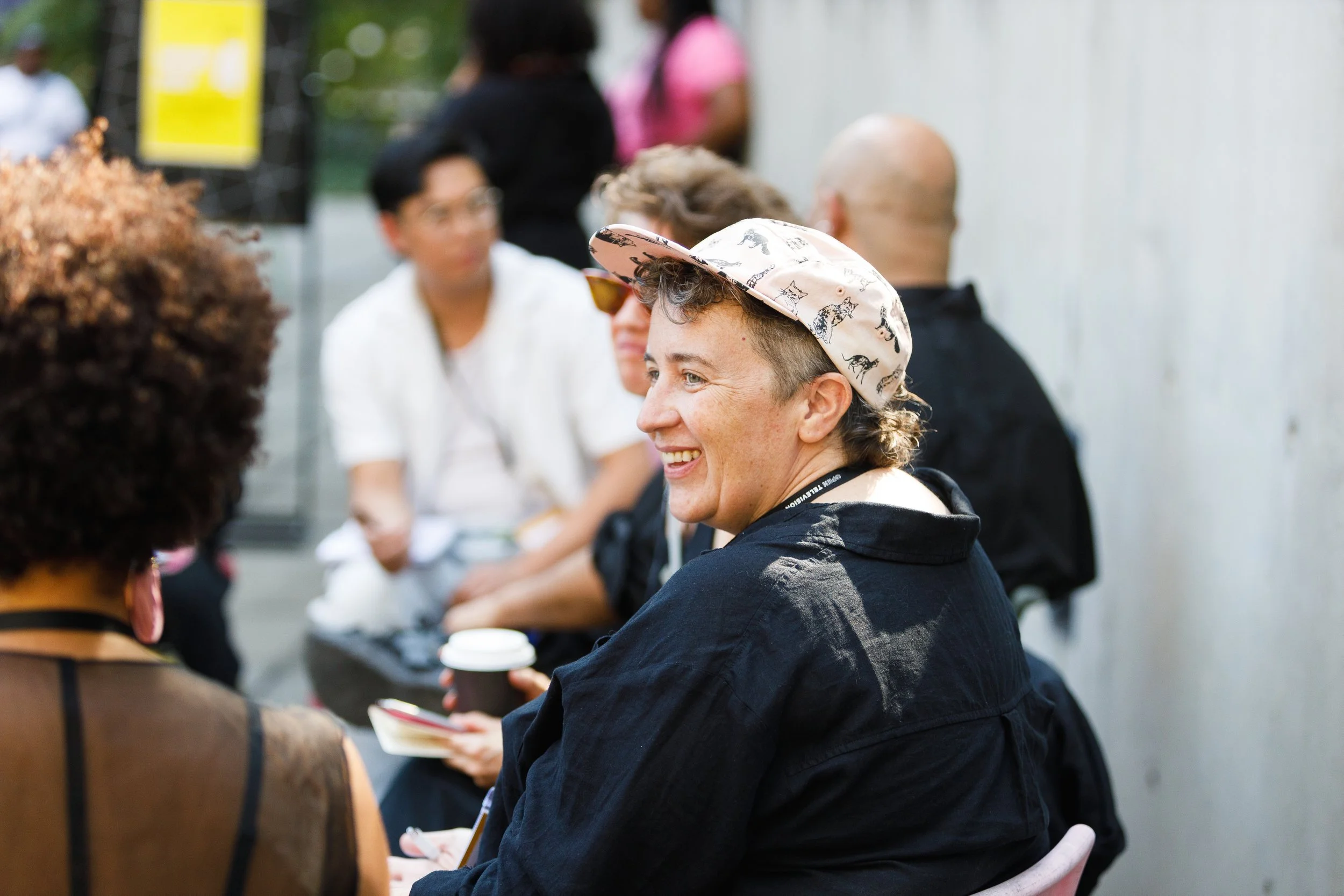
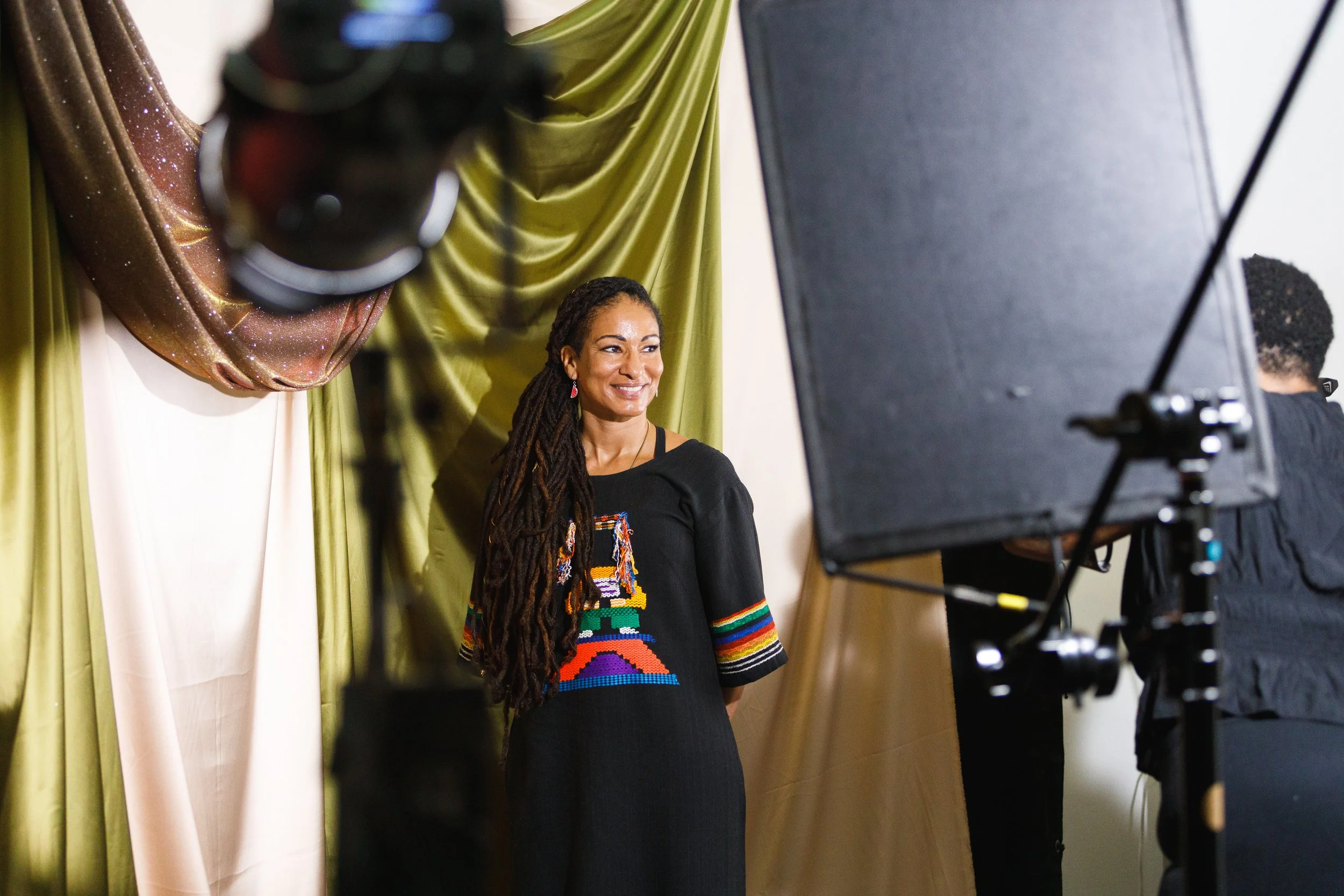
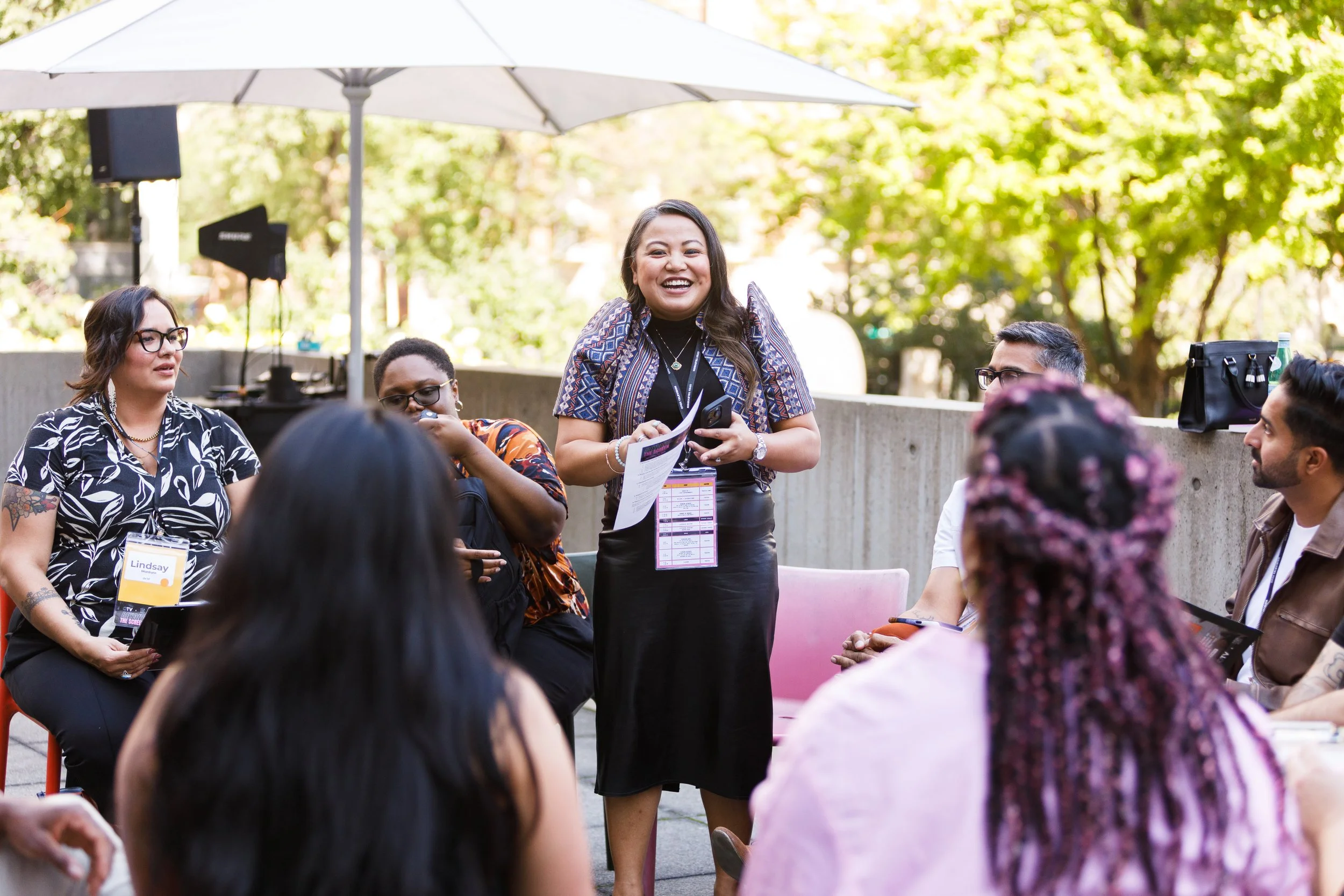
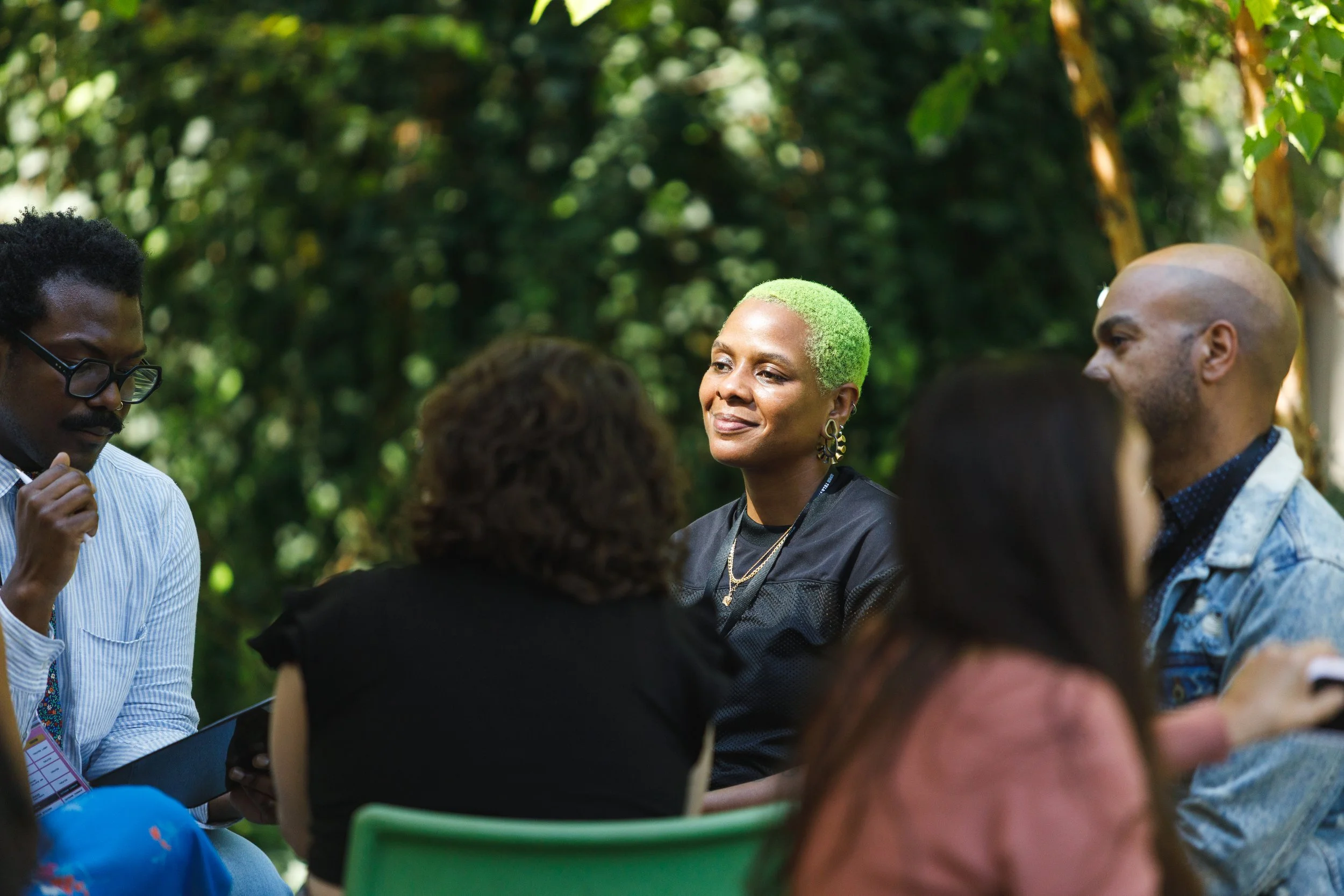
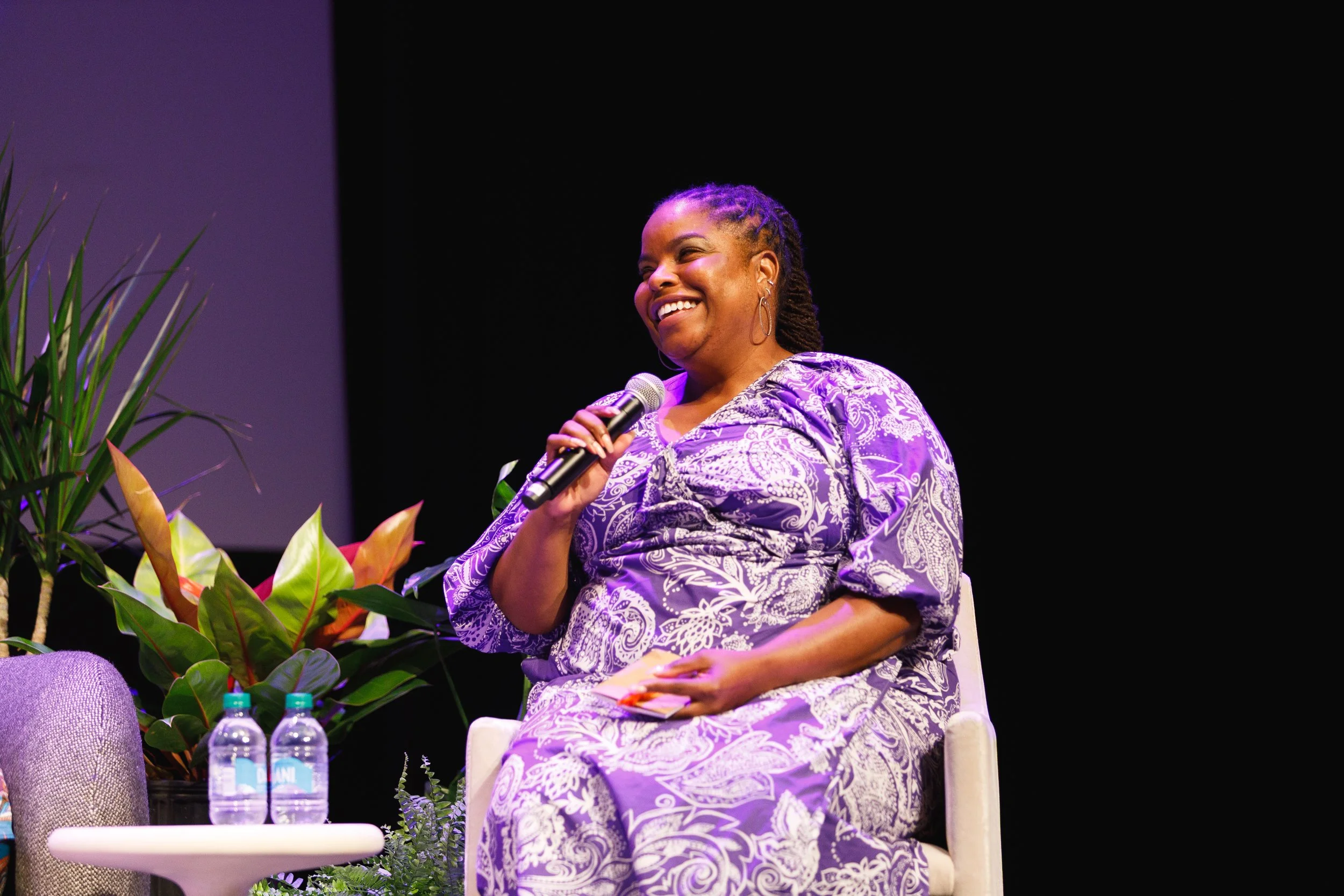
Beyond the Screen (2025) was a one-day global convening hosted by Open Television (OTV) at the Museum of Contemporary Art Chicago, bringing together over 150 artists, funders, technologists, cultural strategists, and organizers from across the U.S., Europe, Africa, and Latin America. Designed as both a visionary gathering and a living laboratory, the convening explored the future of independent storytelling in a rapidly shifting media landscape—centering narrative sovereignty, relational impact, decentralized infrastructure, and care-centered creation.
A Decade of Unfiltered Storytelling
Beyond the Screen 2025 marked a decisive moment for Open Television (OTV) and the global independent storytelling movement we belong to. Designed as both a visionary convening and a living laboratory, the gathering brought together over 150 participants from across the U.S., Europe, Africa, and Latin America—including artists, funders, academics, cultural strategists, technologists, archivists, movement workers, and community leaders. Together, they confronted a rapidly shifting media landscape and collectively imagined the infrastructures needed for the next decade of independent media.
We hosted this convening because the field is at a profound inflection point. The Hollywood system is contracting. Public media infrastructure is being defunded. Philanthropy is narrowing its risk tolerance. Institutions are under strain. And creators—particularly those from the global majority and other opportunity-challenged communities—continue to navigate extractive platforms, inequitable pipelines, precarious labor conditions, and erasure of narrative sovereignty. Beyond the Screen was conceived as a direct response to these realities: a space to gather, to build, to resist, and to insist that another media ecosystem is not only possible, but already emerging.
At the heart of the gathering was a challenging and generative question:
What becomes possible when we institutionalize our dreams and build new systems powered by abundant imagination?
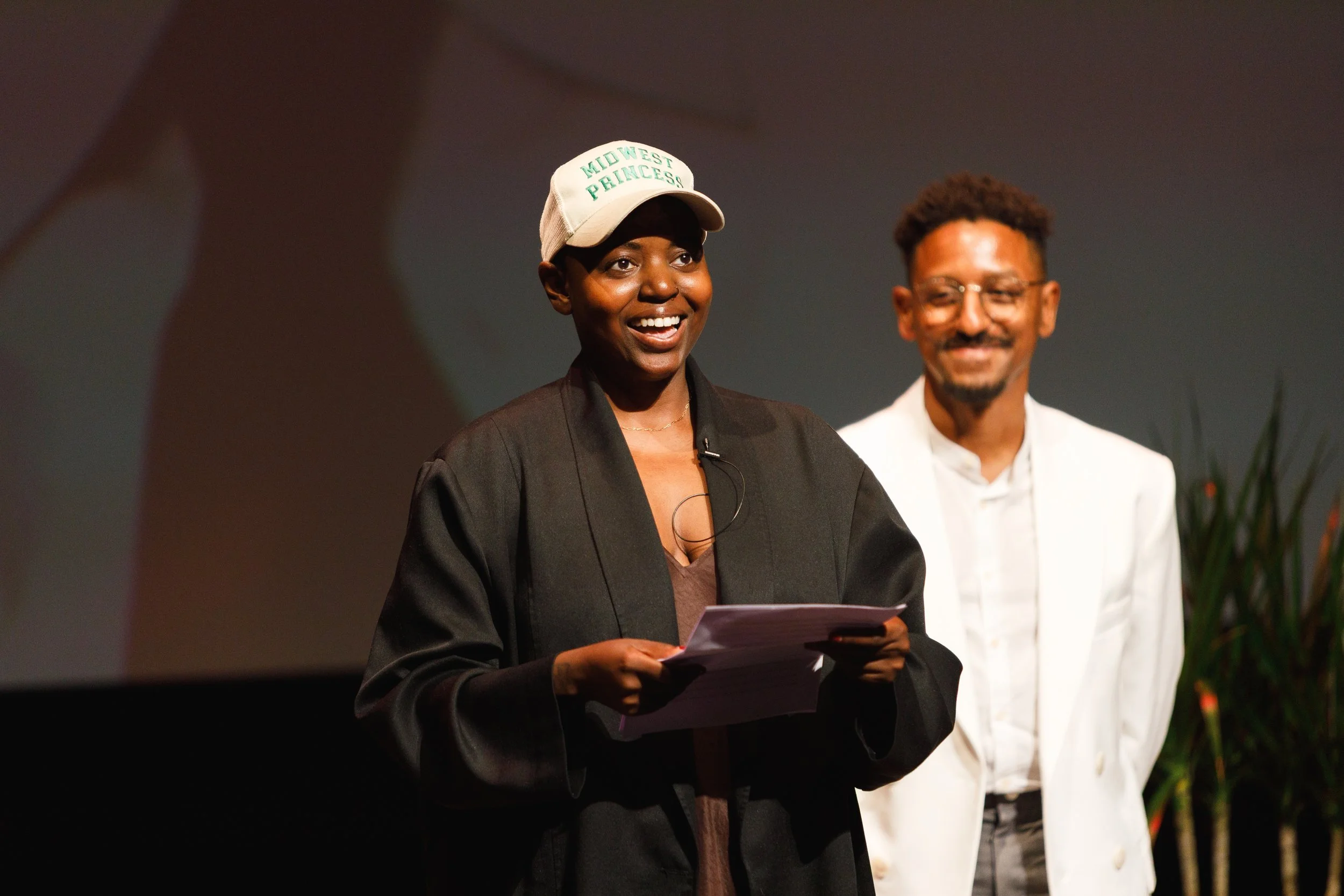
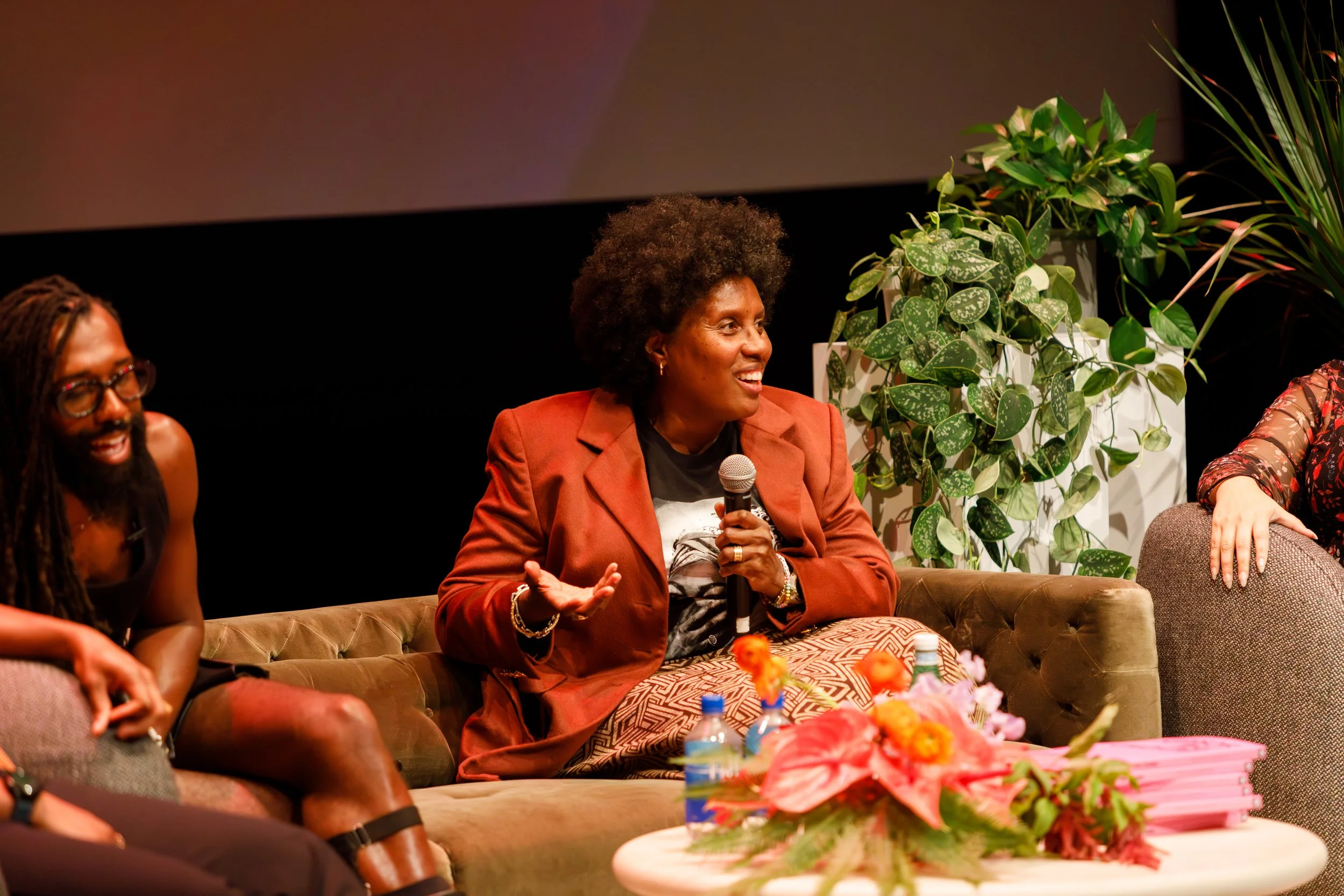
Dr. Ruha Benjamin opened the convening with a framework that grounded this question in political clarity. She reminded us that imagination itself is a contested terrain:
“It can become a self-fulfilling prophecy if we buy into the narrative that imagination is shrinking. If we look closely, we can find evidence all around us of alternative, subversive forms of storytelling—even within the most oppressive infrastructures there are always small and large ways people resist and reimagine.” — Ruha Benjamin
She named OTV directly as one of these subversive infrastructures:
“OTV is a seed of digital marronage—an example of independent spaces where our stories, our communities, and our imaginations can live outside the overseer’s gaze.” — Ruha Benjamin
Dr. Safiya Noble echoed this sentiment, underscoring OTV’s role in challenging the dominance of Big Tech systems masquerading as entertainment:
“OTV is one of the most important examples we have in this country of subversion—of bypassing the monopoly control that the tech sector has. And we must remember: the entertainment business is the tech business.” — Safiya Noble
Together, Ruha and Safiya articulated the stakes: we are living through a battle over our collective imagination—one in which OTV serves as both a cultural refuge and a systems-building force.
But Beyond the Screen was not only intellectually rigorous—it was emotionally resonant. Across the post-survey responses, participants overwhelmingly described the convening using words such as:
care, community, inspiration, connection, joy, rigor, healing, courage, possibility, illumination, and reverence.
The relational impact was unmistakable:
92% reported making meaningful connections with others.
87% met someone new for future collaboration.
81% reconnected with an existing colleague or community member.
95% learned a new insight, strategy, or framework they plan to apply in their work.
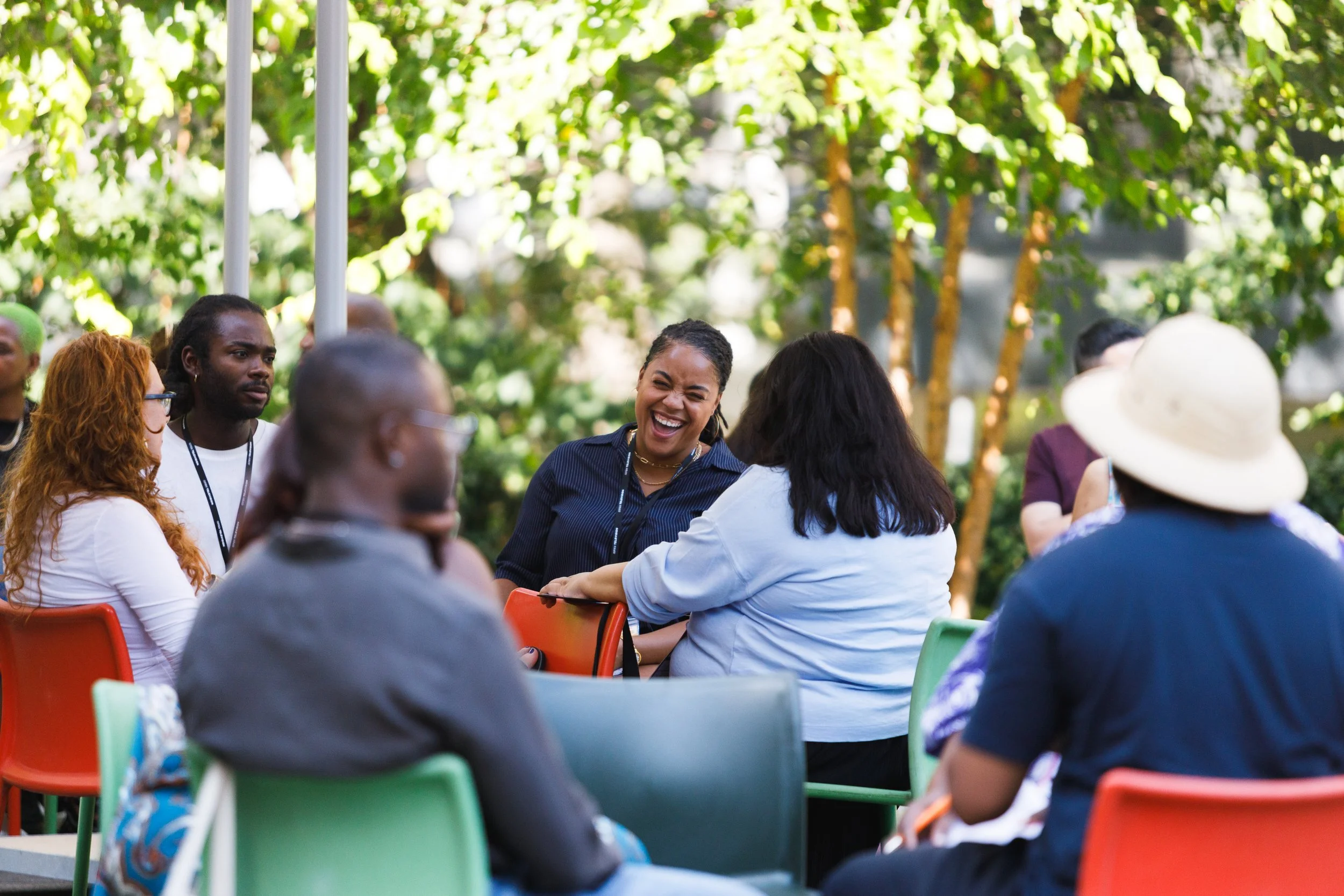
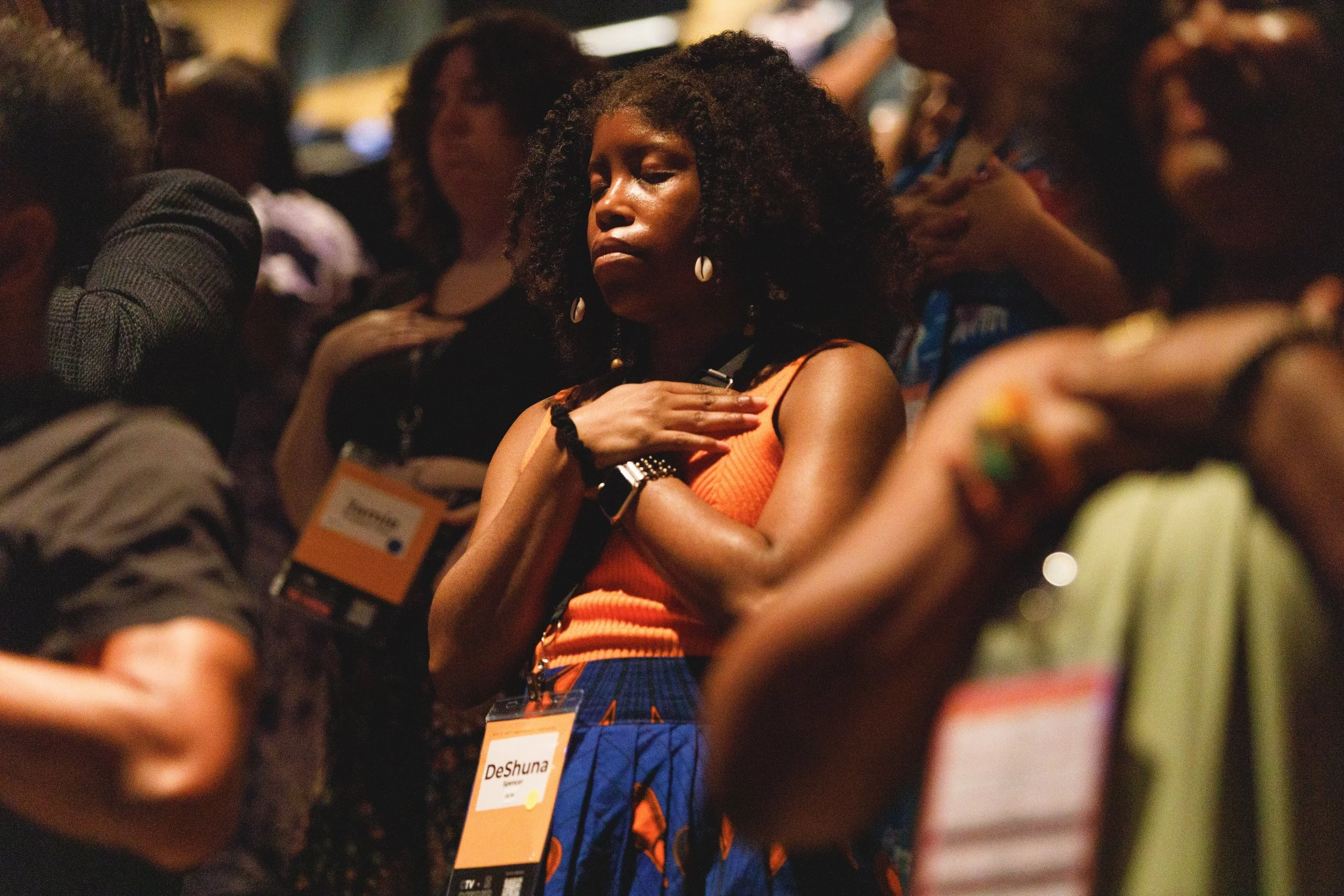
Participants widely described the convening as a homecoming, a balm, a reconnection, and a return to collective purpose.
As a result, many expressed a desire to see OTV evolve into an ongoing global network—one that continues to build new infrastructures, share alternative models, and sustain a community of practice committed to narrative sovereignty and liberation.Ultimately, Beyond the Screen served as both blueprint and proof-of-concept: a demonstration that when artists, organizers, academics, culture-workers, funders and communities gather in spaces rooted in abundance, imagination, rigor, and care, we can—and will—build media ecosystems capable of meeting the challenges of our time. It revealed that the future of storytelling will not be rescued by institutions as they exist today. It will be built by the communities already practicing the future in real time.
What We Set Out to Do
Beyond the Screen was designed around three core goals:
Diagnose the challenges facing independent storytellers in an era of industry collapse, censorship, and shifting power.
Surface the innovations already emerging from artists and communities who are designing alternative models in real time.
Build infrastructure, frameworks, and collective strategies that can be scaled, funded, and institutionalized over the next decade.
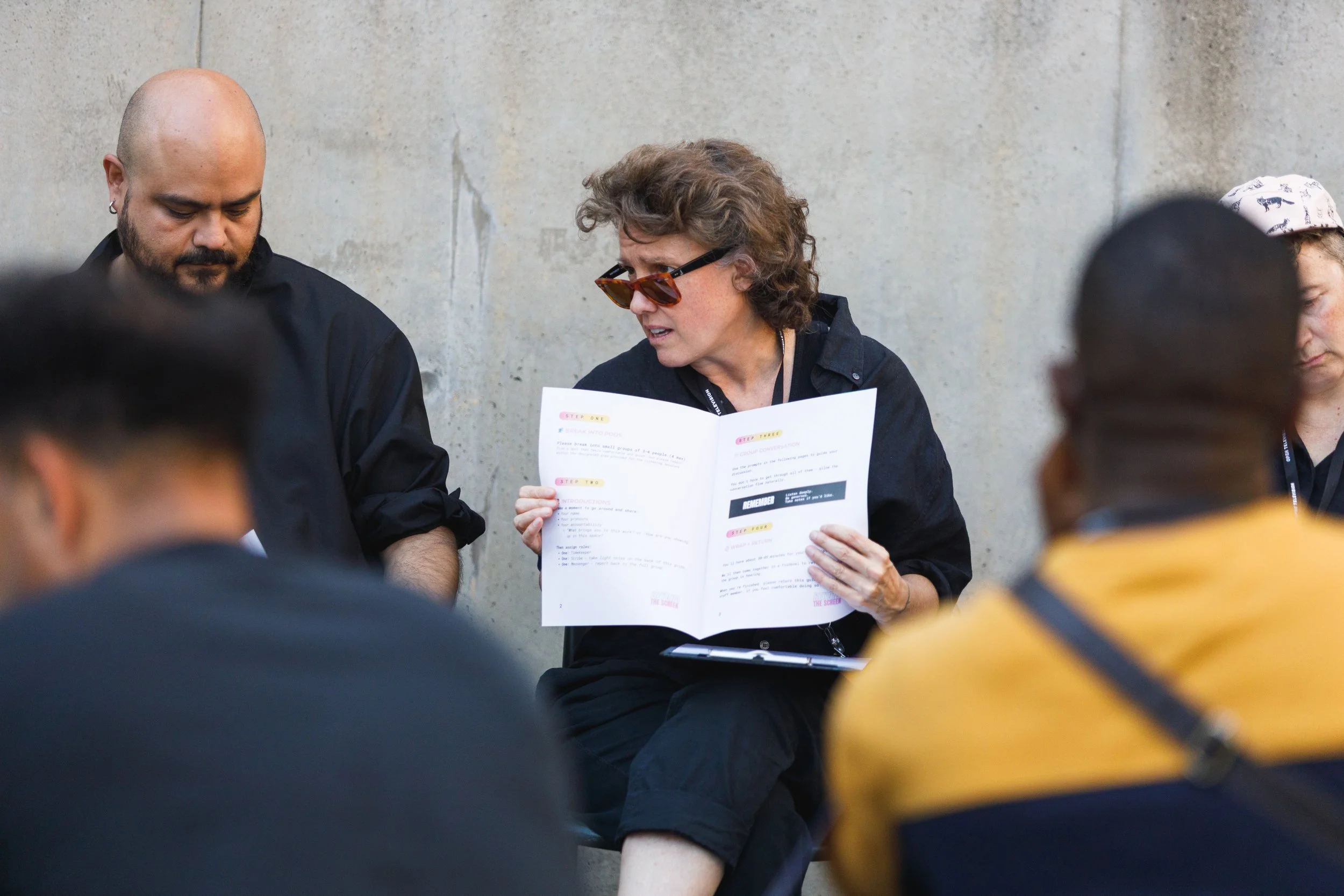
To achieve this, OTV hosted five deep listening sessions focused on the critical fault lines shaping the future of the field—from ownership and distribution to care ethics and decentralized platforms.
These sessions were facilitated by OTV’s Governing Body composed of practitioners across the sector whose footprint spans U.S., Latin America, Africa, and the broader global majority, ensuring that the insights reflected lived experience rather than legacy narratives.
Key Learning: What We Heard Across Listening Sessions
Across all conversations, three themes emerged as universal truths for the field:
1. Artists need ownership—not opportunity.
Participants were clear: the path forward requires long-term structures that allow creators to own their work, maintain control of their IP, and benefit from the value they create.
2. Imagination is infrastructure.
Funders and artists alike emphasized that dreaming is not aspirational — it is strategic. Future-casting, archiving, rest, and speculative storytelling are vital to designing policies, platforms, and systems that can actually meet community needs.
3. Care must be treated as a measurable, fundable form of impact.
Participants across sectors insisted that the next era of media must treat care, safety, and ethics as structural priorities — not soft add-ons. Relational metrics are emerging as meaningful alternatives to scale-based evaluation.
Listening Session Insights
Each session explored a different dimension of the storytelling ecosystem. Below is a concise, funder-facing narrative summary.
1. Story Sovereignty: Funding, Ownership & Distribution
Narrative Summary:
This session revealed a shared urgency for new power structures. Artists are navigating conflicting demands: upholding their values while participating in profit-driven systems. Participants called for models that allow creative communities to collectively bargain, share ownership, and retain narrative agency.
Key Takeaways:
Appetite for new funding and ownership models grounded in equity.
Interest in community-driven greenlight systems (e.g., crowdfunding, fan-driven financing).
Need for shared databases, legal infrastructure, and marketing resources.
Commitment to dismantling the gatekeeping economy and building micro-community distribution pipelines.
2. Dreaming in Public: Imagination as Strategy
Narrative Summary:
This session affirmed that imagination is not ornamental — it’s essential to survival. Participants emphasized archiving, futurism, and storytelling as cultural strategies that preserve identity and resist erasure.
Key Takeaways:
Climate disasters, censorship and information overload require new archival strategies.
Dreaming requires rest and protected time to create indestructible solutions — funders must resource this.
Breaking traditional structures expands the reach of opportunity-challenged narratives.
Coalition-backed archiving networks are necessary to avoid duplicative efforts.
3. Data, Metrics & Meaning: Rethinking Impact
Narrative Summary:
Attendees examined how current systems reward scale over depth, visibility over wellness, and metrics over meaning. This session asked participants to adopt new frameworks that treat relational impact as a form of measurable success.
Key Takeaways:
Success should be defined by care, community, connection, and integrity.
Lived experience ("anecdata") is valid evidence of impact that needs to be evaluated.
Slowness is strategic and requires philanthropic patience and investment. .
Compensation frameworks must reflect shared values, not extraction and explotation. .
4. Platforms, Protocols & Power: Building Outside the System
Narrative Summary:
Participants explored how technology can liberate or replicate harm. There is strong momentum for decentralized tools, cooperative governance, and community-owned platforms that create safer, more equitable engagement spaces.
Key Takeaways:
Open-source and decentralized tools are essential.
Pay equity, transparency, and shared ownership must be standard.
Crowdfunding and community engagement outperform algorithmic systems.
Cross-sector models (journalism, theatre) offer lessons for larger independent media ecosystems.
5. Healing Through Process: Ethics of Making
Narrative Summary:
This session highlighted the emotional, relational, and spiritual labor embedded in storytelling. Participants emphasized that creative work is inseparable from care — and that ethical mediamaking must include community agreements, trauma-informed practices, and post-release stewardship.
Key Takeaways:
Budgets function as moral documents.
Healing-centered production is essential to sustainability.
Consent and accountability frameworks are critical.
Care must continue after the film’s release.

Convening Survey Insights
Post-convening data confirms that Beyond the Screen delivered both emotional resonance and strategic value across participants.
Overall Experience
Participants rated the convening 9.7/10 on average, reflecting a deeply impactful and high-quality experience.
Emotional & Cultural Impact: Across descriptive responses, participants most frequently used words such as:
care, community, inspiration, connection, joy, rigor, healing, courage, possibility, illumination, and reverence.
These themes signal that the convening functioned as:
A space of belonging
A catalyst for regeneration and clarity
A container for care-centered learning and healing
A site of collective imagination and possibility
Community & Conceptual Shifts
Survey responses show:
84% of participants felt a deepened sense of community and connection
80% reported a shift in how they define “impact”, with many embracing relational and meaning-centered frameworks
77% expressed a desire for an ongoing Beyond the Screen network to continue the work year-round
What Participants Want Next
Across all written feedback, the most requested next steps include:
Clear, actionable toolkits for narrative sovereignty, relational impact, and ethical production
Global collaboration pathways, including cross-regional learning and mobility
Expanded distribution & exhibition opportunities through OTV’s evolving platforms
Funding and resource-sharing networks to support sustainable, independent media-making
Narrative Insight
Participants repeatedly described the convening as:
“A homecoming”
“A balm”
“Regenerated, inspired, motivated”
“Galvanizing, reverent, illuminating”
These sentiments underscore the gathering's role as both a strategic convening and a healing cultural moment, affirming OTV’s leadership in designing systems that center care, imagination, and community power.
Why This Matters
Beyond the Screen revealed a field in undeniable transition. Across sectors and geographies, it became clear that artists and communities are innovating faster than institutions can respond. While legacy media systems contract—hollowed by corporate consolidation, algorithmic manipulation, political polarization, and the erosion of public infrastructure—independent creators are quietly prototyping the future. Participants did not describe this moment as a crisis but as a generational opening: an opportunity to build new systems capable of holding the stories, people, and futures traditional institutions have long failed to honor.
Karim Ahmad named this shift plainly, reminding us that institutions rooted in traditional systems of power rarely change—and that the work ahead requires building new ones, “better ones,” like the model pioneered through OTV. His framing crystallized what the convening affirmed: the future of storytelling will not come from legacy institutions. It will come from communities working together to build indestructible solutions.
This future is emerging through artists reclaiming narrative power, organizers designing care-centered systems of accountability, technologists building platforms that honor humanity over extraction, and coalitions forging new models of resource-sharing and cultural stewardship.
Dayo Lamolo articulated this evolution as both necessary and already underway. By creating spaces for creatives historically sidelined by the media-tech ecosystem, OTV has not only expanded opportunities for artists but also created an entry point for audiences who have been similarly excluded. In her words, OTV has “sparked a cultural movement” by cultivating both the supply and the demand for original, intersectional, global stories.
This movement is relational at its core. It is grounded not in sameness, but—as Karim underscored—in solidarity built through understanding, difference, and mutual accountability. Within the OTV ecosystem, relational impact is not metaphorical; it is a lived practice. Artists define their own metrics of success. Communities shape the cultural meaning of the work. And value is measured not by how many people watch a project, but by “the magnitude of the action it makes one want to take.”
Dayo extended this vision toward the next decade, naming OTV’s role with clarity and conviction: to create space for the next generation of artists, empower them to tell their stories, equip them with the tools they need to succeed, and continue building a media ecosystem tethered to justice—one story, one community, and one liberatory infrastructure at a time.
The message from participants was clear:
The future of storytelling will not come from legacy institutions. The future of storytelling will come from communities working together to build indestructible solutions.
Funders who invest now can help:
Build new ownership models
Create safer, ethical production systems
Support decentralized distribution
Resource cross-regional storytelling networks
Develop relational impact frameworks
Protect cultural memory for future generations
These are not theoretical ambitions — they are already in motion across OTV’s global network.
Looking Ahead: OTV’s Commitment
OTV will carry this work forward by advancing a bold, FY2026-30 strategic vision centered on sovereignty, care, and long-term infrastructure for independent storytellers. Over the next five years, we will strengthen artist-centered infrastructure through variety of experiments, initiatives and partnerships. These efforts will ensure that intersectional storytellers have access not only to resources, but to pathways that sustain their creative lives and widen their global reach.
We will deepen our public research agenda by releasing field-shaping tools—including a relational metrics framework that redefines how impact is measured, and a narrative sovereignty blueprint that offers clear guidance on ownership, licensing, and community-rooted distribution. These tools will serve as anchors for the sector, providing funders, practitioners, and institutions with accessible methodologies for building equitable systems.
Future editions of Beyond the Screen will evolve into a multi-city, international network of convenings designed to spark innovation, strengthen solidarity, and align regional resources in service of a global storytelling movement. What began as a gathering will become a connective tissue—bridging artists, funders, organizers, and cultural strategists who are designing the next era of narrative infrastructure together.
At the same time, OTV will continue building decentralized tech pathways that move us away from extraction and toward creative autonomy. This includes shared databases, resource libraries, open-source learning hubs, and cooperative digital spaces where artists can connect, circulate knowledge, archive memory, and distribute work on their own terms—outside of legacy gatekeeping systems.
Finally, we will institutionalize dreaming as an operational and governance practice. Imagination, care, and memory will be embedded into OTV’s leadership structures, staff culture, program design, and long-term planning. This is not ornamental work—it is strategic. As Elijah McKinnon reflects:
“We are building systems that allow artists to breathe, to dream, and to act without permission. Dreaming is not the escape—it’s the blueprint. It’s how we build the future before the world is ready to receive it.” — Elijah McKinnon
By anchoring our FY2026-30 strategy in these commitments, OTV is constructing the durable, justice-centered infrastructure that independent storytellers deserve—and laying the groundwork for a global narrative ecosystem rooted in imagination, sovereignty, and collective power.